
Capital, construction, and the deals between.
Stories and structure from the front lines of private lending: what's funding, why, and what to watch.
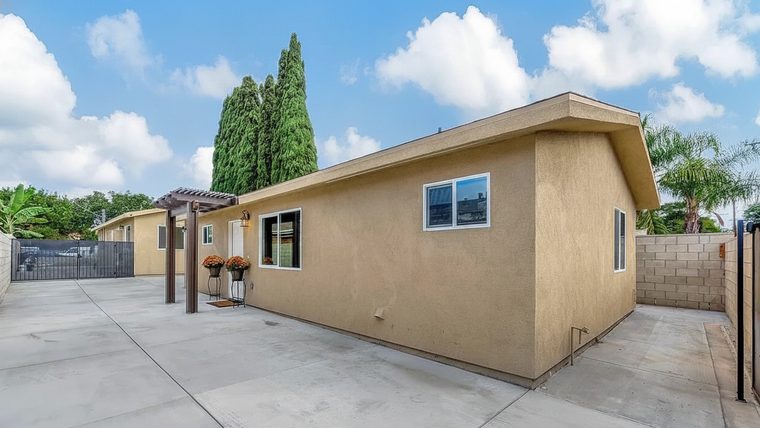
Loan-to-cost and loan-to-value are two different ceilings
Two limits are applied to the same loan, and whichever comes out lower is the one you get. Knowing which binds tells you what to change about the…
Read article
The BRRRR method breaks at the refinance, not the rehab
Buy, rehab, rent, refinance, repeat. The fifth step is funded entirely by the fourth, and the fourth runs on rules you can check before you buy…
Read article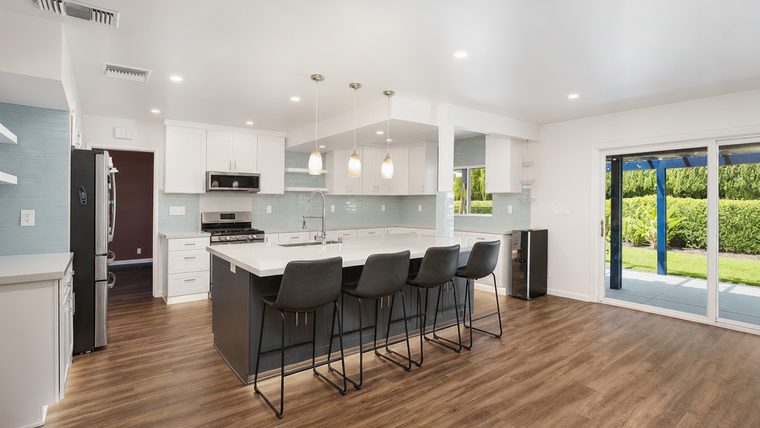
What ARV actually means, and who decides it
After-repair value is not your forecast of the finished price. It is an appraised value, produced under a stated condition, by someone who is not you.
Read article
What a construction draw schedule does to your cash flow
Everyone compares construction loans on the rate. The draw schedule decides how the build runs, because money arrives after the work is done.
Read article
How to calculate your real California DSCR before you apply
The ratio you compute is not the ratio the lender computes, because in California both halves of the fraction move the moment you buy.
Read article
What a California fix-and-flip actually costs to carry
Every guide covers how to get the loan. Almost none covers the two clocks that decide whether you can pay it off: a federal resale rule and a tax…
Read article
Where private capital is funding deals in Orange County and LA
A May 2026 read on where bridge, fix-and-flip and construction money is actually moving in Southern California, what is funding fast and what is…
Read article
Six numbers on a term sheet that decide the deal
Most term sheets fit on one page. Six of the numbers on it do almost all the work, and how they interact matters more than any one alone.
Read article
How private lenders underwrite a deal (not your credit score)
Credit pulls, tax returns, W-2s, most of what conventional lenders obsess over barely moves the needle in private capital. Here is what is actually…
Read articleGot a deal this applies to?
Send the scenario and a broker reads it — typically in 1-3+ business days. No obligation, and no credit pull to get an opinion on fit.